
Storm Drain Trenching Oklahoma
Trinity Boring Solutions installs storm drain trenches for residential, commercial, and municipal drainage projects throughout Oklahoma. We excavate to grade, install bedding, and coordinate with your pipe crew for complete underground storm drainage systems.
What Is Storm Drain Trenching and Why Does It Matter?
Storm drain trenching is the excavation of underground drainage system infrastructure including inlet leads, trunk lines, catch basin connections, and outfall runs. Unlike sanitary sewer systems, storm drain systems collect surface water runoff and convey it to natural waterways, retention facilities, or municipal storm systems. In Oklahoma, where heavy spring rain events and flash flooding are common, properly installed underground storm drainage protects properties, roadways, and infrastructure from water damage.
Storm drain trenching differs from standard utility trenching in several important ways. Storm drain pipes are generally larger diameter than water or sewer service lines, often ranging from 12-inch to 36-inch diameter or larger on commercial and municipal projects. The trench must be wide enough to accommodate the pipe diameter plus bedding and working space, and the pipe must be set at very precise grade to achieve the design flow capacity without sediment deposition in flat reaches.
Trinity Boring Solutions performs storm drain trenching for site contractors, civil engineers, municipal public works departments, and property owners installing private drainage systems. We understand civil drainage plans, know how to read plan and profile sheets for storm drain layout, and can set pipe grades to within fractions of an inch using laser grade control equipment. This precision is not just a matter of workmanship quality; incorrect storm drain grades result in standing water in the pipe, sediment accumulation, and system failure that requires costly remediation.
Oklahoma has specific stormwater management requirements for new development. The Oklahoma Department of Environmental Quality oversees NPDES stormwater permitting for construction sites disturbing one acre or more. Properly installed underground storm drainage is a key component of a project’s permanent stormwater management strategy. We work within the framework of your project’s stormwater pollution prevention plan and contribute to the permanent drainage system that reduces long-term stormwater impacts.
For storm drain installations that require crossings under roadways or other obstacles, our directional drilling services and pipe jacking capabilities provide trenchless crossing options. Storm drain pipes in the 4-inch to 24-inch range can be installed under roads using these methods, eliminating the need for road cuts and costly pavement repair.

Storm Drain Trenching Process
- Civil plan review. We review drainage plans including plan view routing, profile grades, structure schedules, and pipe schedule tables. We confirm pipe sizes, grades, structure types, and connections to existing systems before excavation begins.
- Grade calculations. For each run of storm drain pipe, we calculate the invert elevations at each structure, confirm the grade slope, and verify that the required trench depth at each point is achievable given existing surface grades and underground conflicts.
- 811 locating and utility conflict resolution. Storm drain trenches are often the deepest utility trenches on a project and are the most likely to encounter conflicts with existing underground utilities. We identify conflicts from plan review and resolve them with the engineer before excavation begins.
- Trench excavation. We excavate with precision to maintain specified grades along each pipe run. For large diameter pipe, trench widths of 36 to 60 inches or more are required. Trench walls are sloped or shored per OSHA requirements based on soil conditions and depth.
- Pipe bedding and class installation. Storm drain pipe bedding class is specified on the plans and depends on pipe material, pipe diameter, and trench width to pipe diameter ratio. We install the correct bedding zone material and compaction per the bedding class specification.
- Pipe setting and structure installation. The pipe crew sets pipe at the required grades. Catch basins, manholes, and junction structures are set at the specified elevations. We coordinate with the pipe crew throughout installation to ensure grade consistency.
- Haunch and initial backfill. Haunch bedding material is carefully placed and compacted in the pipe zone. This is the most critical compaction zone for pipe structural performance and must be done carefully to avoid pipe deflection or cracking.
- Upper backfill and surface restoration. Upper backfill material is placed and compacted to the required proctor density. Surface restoration follows specification requirements for the surface type.
Why Choose Trinity Boring Solutions for Storm Drain Work?
Laser Grade Precision
Storm drain grades are set to specification with laser level control, preventing settlement and sediment accumulation in the completed system.
Civil Plan Literacy
Our operators and project managers read plan and profile sheets and understand drainage design intent, reducing errors and clarification delays.
Large Diameter Capability
We trench for storm drain pipe from small lateral lines to large trunk mains, with equipment sized for the required trench dimensions.
Storm drain work often occurs alongside other utility installation. Our trenching services cover all utility types, and we coordinate storm drain, water, sanitary sewer, and electrical trenching on complex commercial and municipal projects. For projects requiring hydrovac support for utility conflict resolution, our hydrovac daylighting service resolves conflicts precisely before major excavation begins.
Storm Drain Regulations in Oklahoma
Oklahoma storm drain work is governed by local jurisdiction standards (city or county public works standards), state environmental requirements for stormwater management, and ODOT standards for work within state highway right-of-way. The Oklahoma Department of Transportation has specific requirements for storm drain installations within highway right-of-way including pipe material, bedding class, and inspection protocols. Trinity Boring Solutions is ODOT approved and experienced with ODOT storm drain standards. All excavation follows mandatory Oklahoma 811 locate procedures. Reference ok811.com for locate requirements for your project area.
Oklahoma Coverage
We provide storm drain trenching services throughout Oklahoma: Oklahoma City, Tulsa, Edmond, Norman, Broken Arrow, Lawton, Moore, Midwest City, Enid, Stillwater, Muskogee, Owasso, Bartlesville, Shawnee, Yukon, Bixby, Jenks, Sapulpa, Ardmore, Ponca City, Claremore, Bethany, Duncan, Altus, McAlester, El Reno, Ada, Chickasha, Sand Springs, Guthrie, Mustang, Choctaw, Durant, Tahlequah, Weatherford, Pryor, Wagoner, Woodward, Elk City, Clinton, and all other Oklahoma communities.
Frequently Asked Questions: Storm Drain Trenching in Oklahoma
What pipe materials are used for storm drain systems?
Oklahoma storm drain systems use reinforced concrete pipe (RCP), corrugated metal pipe (CMP), high density polyethylene (HDPE) pipe, and PVC depending on diameter, application, and owner preference. Reinforced concrete pipe is the most common material for municipal and DOT projects due to its long service life and established performance record. HDPE and PVC are common for smaller residential and commercial applications. The material specification is determined by your engineer or the applicable public works standard for your jurisdiction.
What minimum grade is required for storm drain pipes?
Minimum grade for storm drain pipes is typically set to achieve self-cleaning velocity, commonly defined as approximately 2 feet per second at design flow conditions. Minimum slope varies by pipe diameter and material roughness coefficient. Small diameter pipes typically require steeper minimum grades than large trunk mains. Your civil engineer specifies required grades on the plan and profile sheets. We install to the specified grades using laser level control.
How deep are storm drain trenches typically?
Storm drain depth varies widely depending on where the system connects and the required gravity flow path. On residential sites, shallow drainage trenches may be 2 to 4 feet deep. Municipal trunk mains can run 8 to 15 feet or deeper depending on terrain and existing utility conflicts. We provide competent person oversight and proper sloping or shoring for all trenches regardless of depth.
What is the bedding class requirement for storm drain pipe?
Bedding class for storm drain pipe is specified by the design engineer based on pipe material, diameter, trench width, and burial depth. Common specifications reference ACPA or ASTM bedding classes A through D for concrete pipe and similar classifications for other pipe materials. We install bedding material according to the specified class and verify compaction levels meet the design requirement before pipe setting.
Do you install catch basins and manholes as part of storm drain trenching?
We perform the excavation for catch basin and manhole structures and can coordinate with the precast structure supplier for delivery and setting. Structure installation is typically performed by the pipe crew or a separate contractor depending on project scope. We support whatever crew configuration your project requires for structure work.
Can you trench for storm drain in Oklahoma City or Tulsa city right-of-way?
Yes. We are experienced with urban right-of-way work including traffic control, lane closures, and compliance with city public works standards. Both Oklahoma City and Tulsa have specific standards for storm drain pipe material, bedding, compaction, and pavement patching. We follow applicable public works standards and work within approved traffic control plans for all right-of-way projects.
What is NPDES and how does it affect storm drain installation?
NPDES stands for National Pollutant Discharge Elimination System. In Oklahoma, construction projects disturbing one acre or more must obtain a NPDES construction stormwater permit from the Oklahoma Department of Environmental Quality and implement a Stormwater Pollution Prevention Plan. Properly installed storm drainage is part of the permanent post-construction controls described in the stormwater plan. Our trenching work supports the permanent drainage infrastructure that your project’s stormwater plan relies on.
Can you bore storm drain crossings under roads instead of open cutting?
For storm drain pipes in the range of 4 to 24 inches diameter, directional drilling or jack and bore methods can install the crossing pipe under roads without surface disruption. Larger diameter crossings may use jack and bore with steel casing pipe. The feasibility of trenchless crossing depends on pipe diameter, crossing length, soil conditions, and cover depth. We evaluate each crossing individually and recommend the most appropriate method.
Do you provide compaction testing for storm drain backfill?
We perform compaction in lifts to achieve the specified density. If your project requires third-party compaction testing by a geotechnical firm, we coordinate our backfill and compaction with the testing schedule. We provide access for testing and adjust our compaction process based on test results if needed. Third-party testing is the responsibility of the project owner or general contractor; we support the testing process but do not provide the testing service itself.
How do you handle storm drain projects in flood-prone areas of Oklahoma?
Flood-prone areas require special attention to high water table conditions during construction, temporary dewatering of excavations, and coordination with floodplain management requirements. FEMA floodplain regulations and local floodplain ordinances may impose additional requirements on drainage structures in regulated flood zones. We discuss site-specific water management requirements with you during pre-construction planning and provide appropriate dewatering support during excavation in high water table conditions.
Start Your Storm Drain Trench Project
Trinity Boring Solutions provides storm drain trenching across all 77 Oklahoma counties. Contact us for a free quote on your residential, commercial, or municipal drainage project.
Trinity Boring Solutions
9102 NW Expressway, Yukon OK 73099
(405) 409-7423 | darren@trinityboringsolutions.com
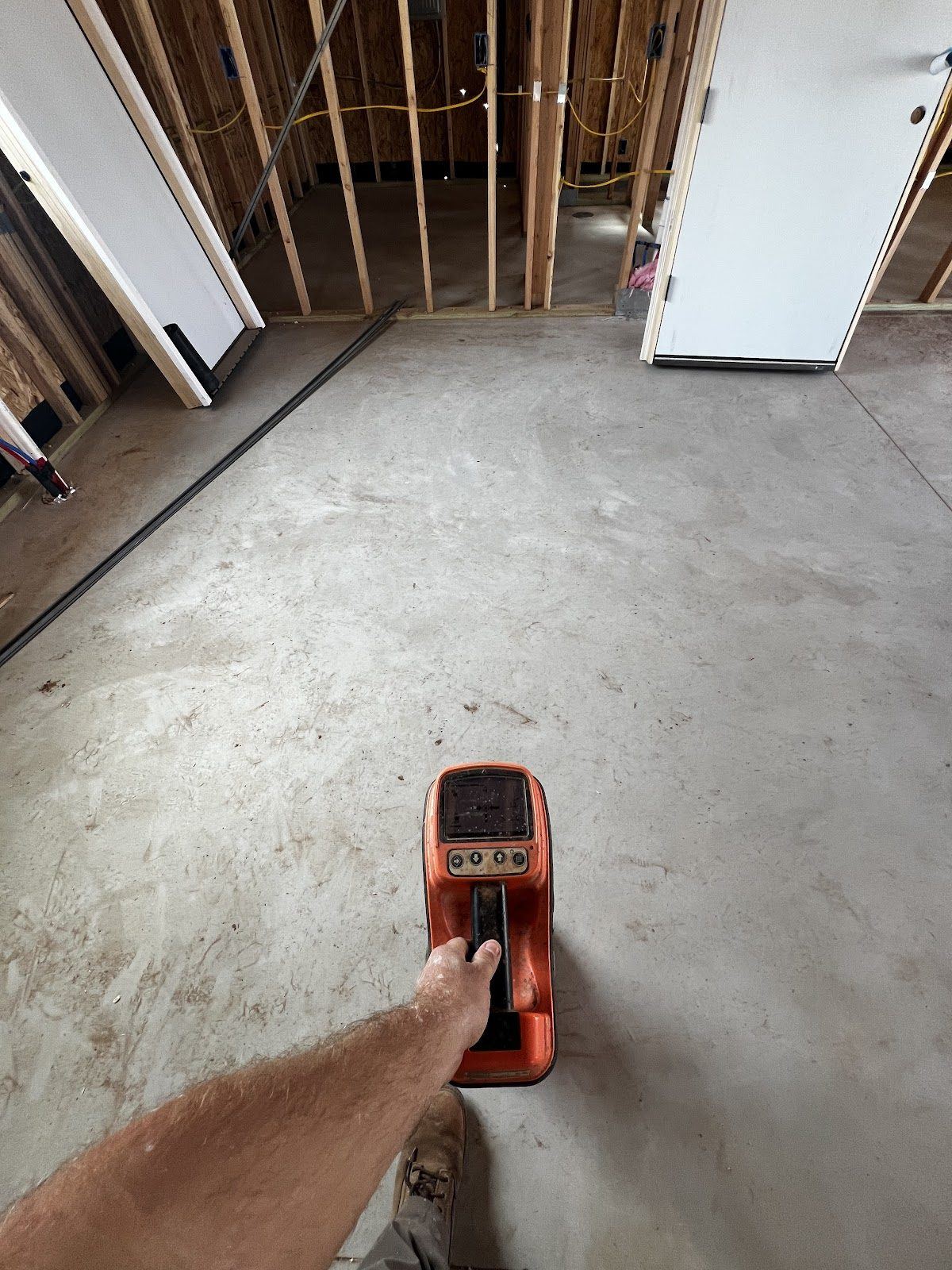
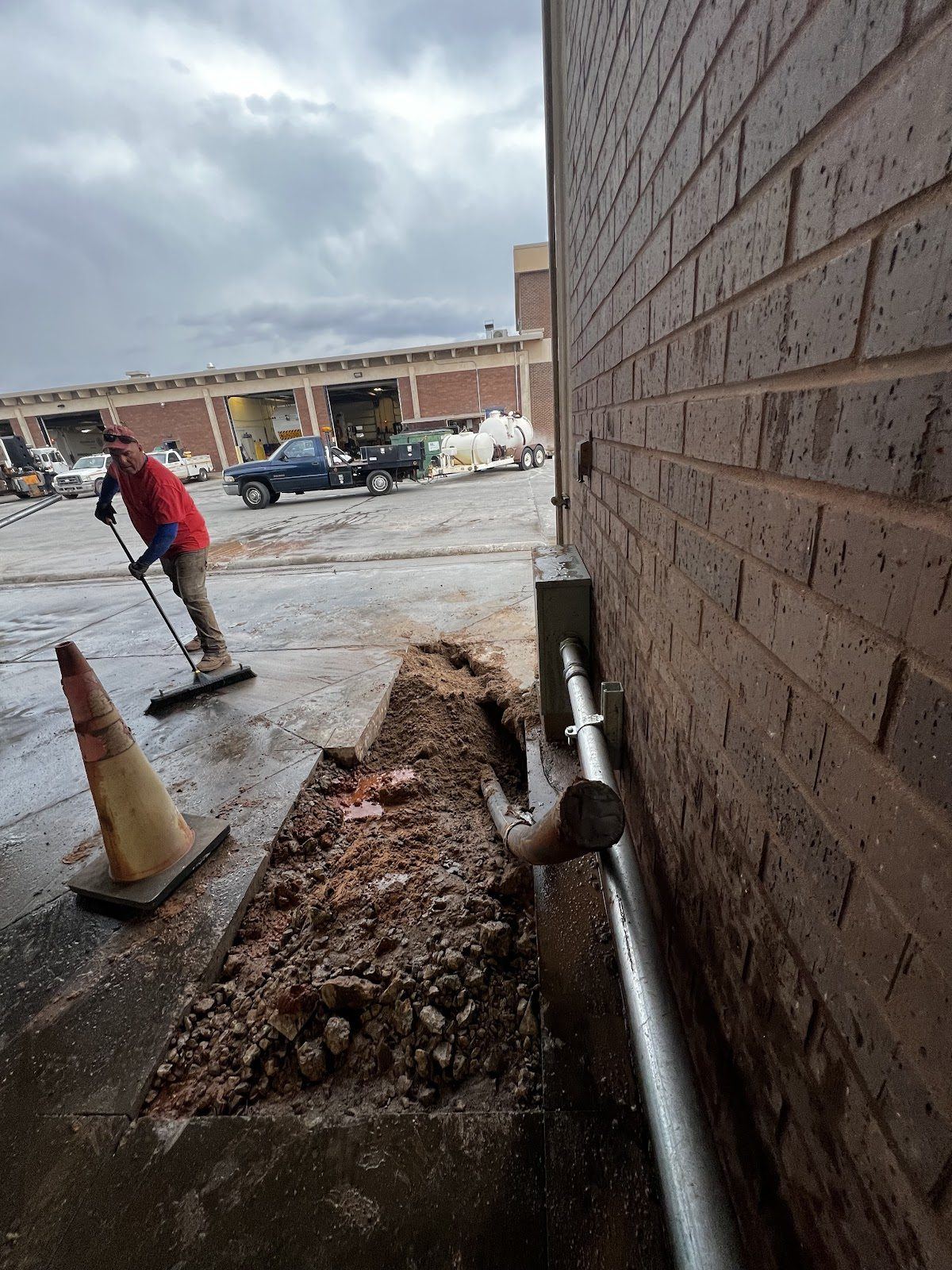
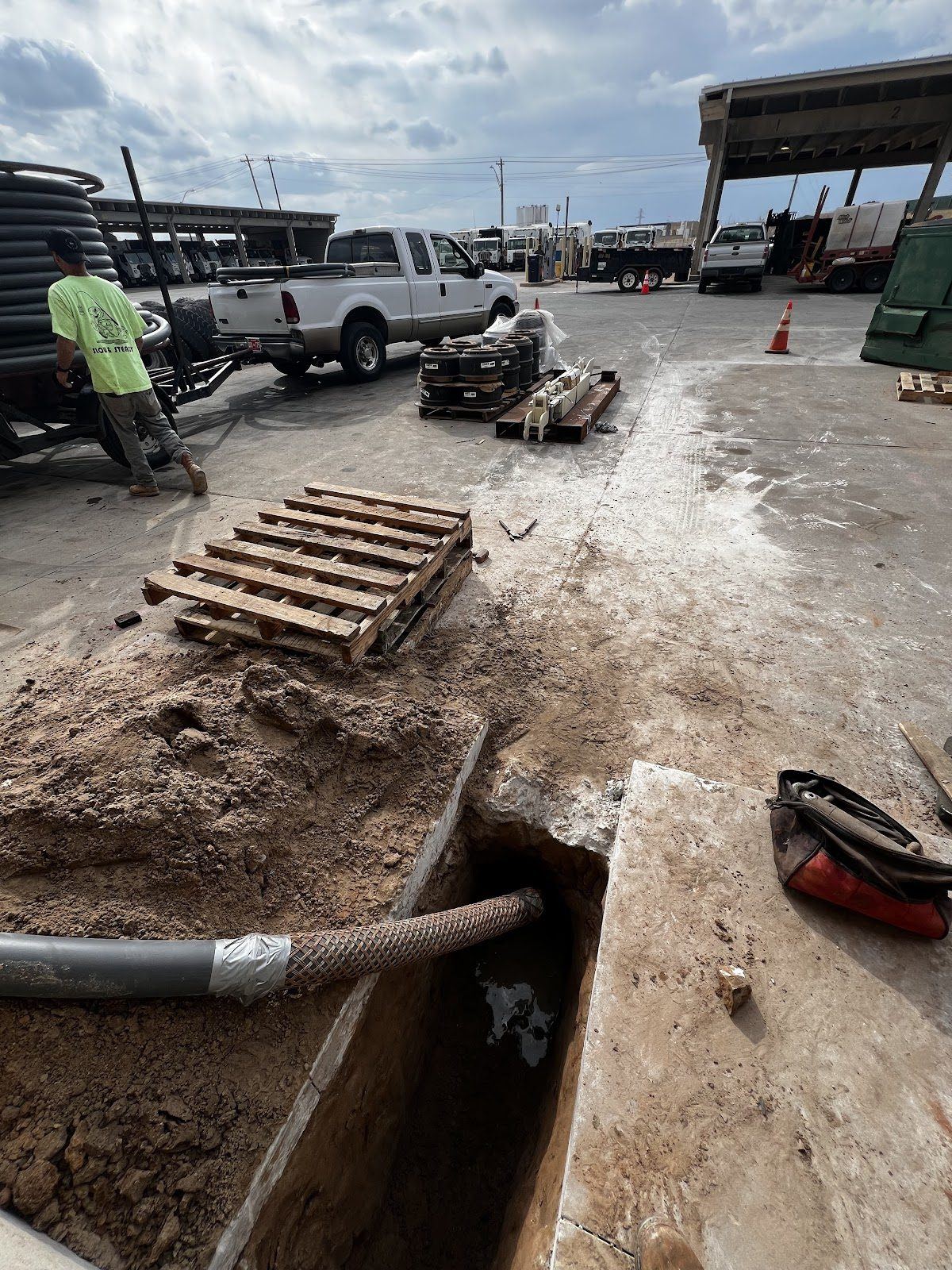
Storm Drain Trenching Oklahoma — Project Photos

Related Boring & Utility Services
- Bore Path Planning
- Boring for Electricians Oklahoma
- Boring for General Contractors Oklahoma
- Boring for Hvac Contractors Oklahoma
- Boring for Irrigation Oklahoma
- Boring for Municipalities Oklahoma
- Boring for Plumbers Oklahoma
- Boring Under Driveway Oklahoma
Where We Work in Oklahoma
New to trenchless construction? Start with our guide: What Is Horizontal Directional Drilling (HDD)?
Talk to the crew that does the work
Fastest way to a number is a phone call. Tell us where the crossing is and what is going in the ground, and you will get a straight answer on the same call. Bores from 10 feet to 5,000 feet, 3/4 inch service line through 48 inch casing, anywhere in Oklahoma and north Texas. We run 24/7 for main breaks and emergency repairs.
Answered by a person, not a call center.
Would rather not call? Send the details and we will come back with a written quote.