
Utility Potholing Oklahoma
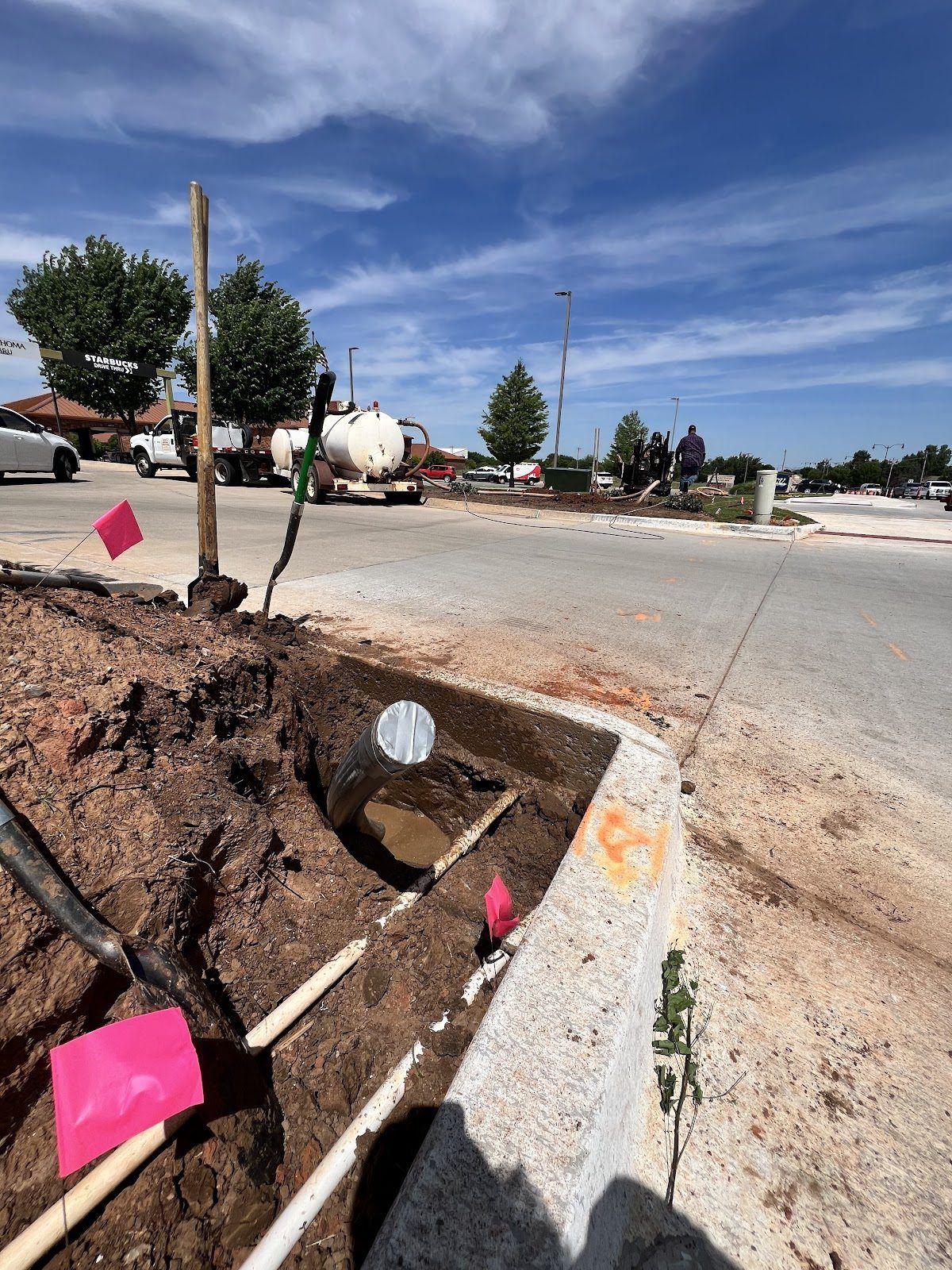
Trinity Boring Solutions provides hydrovac utility potholing services throughout Oklahoma. We safely expose buried utilities using high-pressure water and vacuum excavation before construction begins, protecting your crew and the existing infrastructure from damage.
What Is Utility Potholing and Why Is It Essential Before Excavation?
Utility potholing, also called vacuum excavation or hydrovac daylighting, is the process of using pressurized water to break up soil and a simultaneous vacuum to remove the slurry, creating a small precise excavation to expose and visually confirm the location and depth of buried utilities. Unlike mechanical excavation tools that can strike and damage buried utilities even with 811 locates in hand, vacuum excavation is non-destructive to utilities because it uses water and suction rather than metal cutting edges to remove soil.
Oklahoma 811 locating marks the approximate horizontal position of buried utilities but does not provide precise depth information and does not guarantee accuracy better than 24 inches of the marked location in most jurisdictions. For excavation within this tolerance zone, safe practice requires hand digging or vacuum excavation rather than mechanical tools. Utility potholing provides the precise depth and exact horizontal position data that 811 locates alone cannot offer, giving your excavation crew the information they need to proceed safely with mechanical excavation after potholes confirm actual utility positions.
The consequences of hitting an underground utility without potholing can be severe. Striking a natural gas line creates an immediate explosion and fire risk. Cutting through an electrical conductor can electrocute workers. Breaking a water main causes property flooding, service disruptions, and expensive repairs that far exceed the cost of precautionary potholing. Severing a fiber optic cable can take down communication systems serving thousands of customers. In all these cases, potholing the utility before excavation eliminates the risk at a fraction of the cost of a utility strike event.
Trinity Boring Solutions provides utility potholing services throughout Oklahoma for contractors, municipalities, utility companies, and property owners preparing for excavation in utility-congested areas. Our hydrovac equipment operates efficiently in all Oklahoma soil types, from the expansive clay soils of central Oklahoma to the sandy soils of western Oklahoma and the harder ground conditions of eastern and southeastern Oklahoma. We can pothole multiple utilities in a single mobilization, providing a complete picture of the underground infrastructure before your construction begins.
Potholing is also used after construction to verify the depth of newly installed utilities for as-built records, to investigate utility depth conflicts before design is finalized, and to support utility location surveys in areas being developed for the first time. For projects that follow potholing with trenching or boring, our trenching services and directional drilling services are available as an integrated scope. Learn more about our full hydrovac capability on our hydrovac daylighting service page.

How Utility Potholing Works
- Pre-pothole preparation. We review 811 marks on the site to identify the locations of pothole targets. For each target utility, we select a pothole location that will best expose the utility to provide depth and horizontal offset information. We determine the number of potholes needed to characterize the utility run in your excavation area.
- Mobilization and setup. Our hydrovac truck positions near the pothole location with hoses reaching the target area. We connect to a water source (hydrant, tank, or on-board water supply) and position the debris tank for spoil collection.
- High pressure water injection. A water wand directs pressurized water into the ground at the target location. The water breaks up soil ahead of the excavation while minimizing the risk of utility damage because water pressure dissipates rapidly and does not generate the mechanical force that cuts or strikes utility materials.
- Vacuum extraction. Simultaneously, a large diameter vacuum hose extracts the water and soil slurry from the excavation, pulling it into the debris tank on the hydrovac truck. The excavation progresses downward at a controlled rate, allowing the operator to watch for the utility and stop vacuum extraction the moment the utility is exposed.
- Utility exposure and documentation. When the utility is exposed, we stop excavation and document the utility’s depth, diameter, material, and horizontal position. This documentation is typically recorded with GPS coordinates, photographs, and written notes for your records.
- Pothole backfill. After documentation is complete, the pothole is backfilled with the excavated soil or with imported granular material per your project specifications. Potholes in paved areas receive appropriate patching to restore the surface.
- Data delivery. We provide the pothole data to your project engineer or superintendent so the excavation crew has accurate utility depth information before proceeding with mechanical excavation in the work zone.
Utility Potholing Applications in Oklahoma
Pre-Excavation Safety
Confirm utility depth and exact position before mechanical excavation to protect workers and infrastructure in congested utility corridors.
Design Conflict Identification
Identify actual utility depths early in design to resolve conflicts before construction, avoiding costly redesign and construction delays.
As-Built Verification
Verify as-installed depth of newly placed utilities for accurate record drawings and future excavation safety documentation.
Directional Bore Clearance
Confirm utility clearance at proposed bore entry and exit locations before HDD operations begin to ensure the bore path avoids existing utilities.
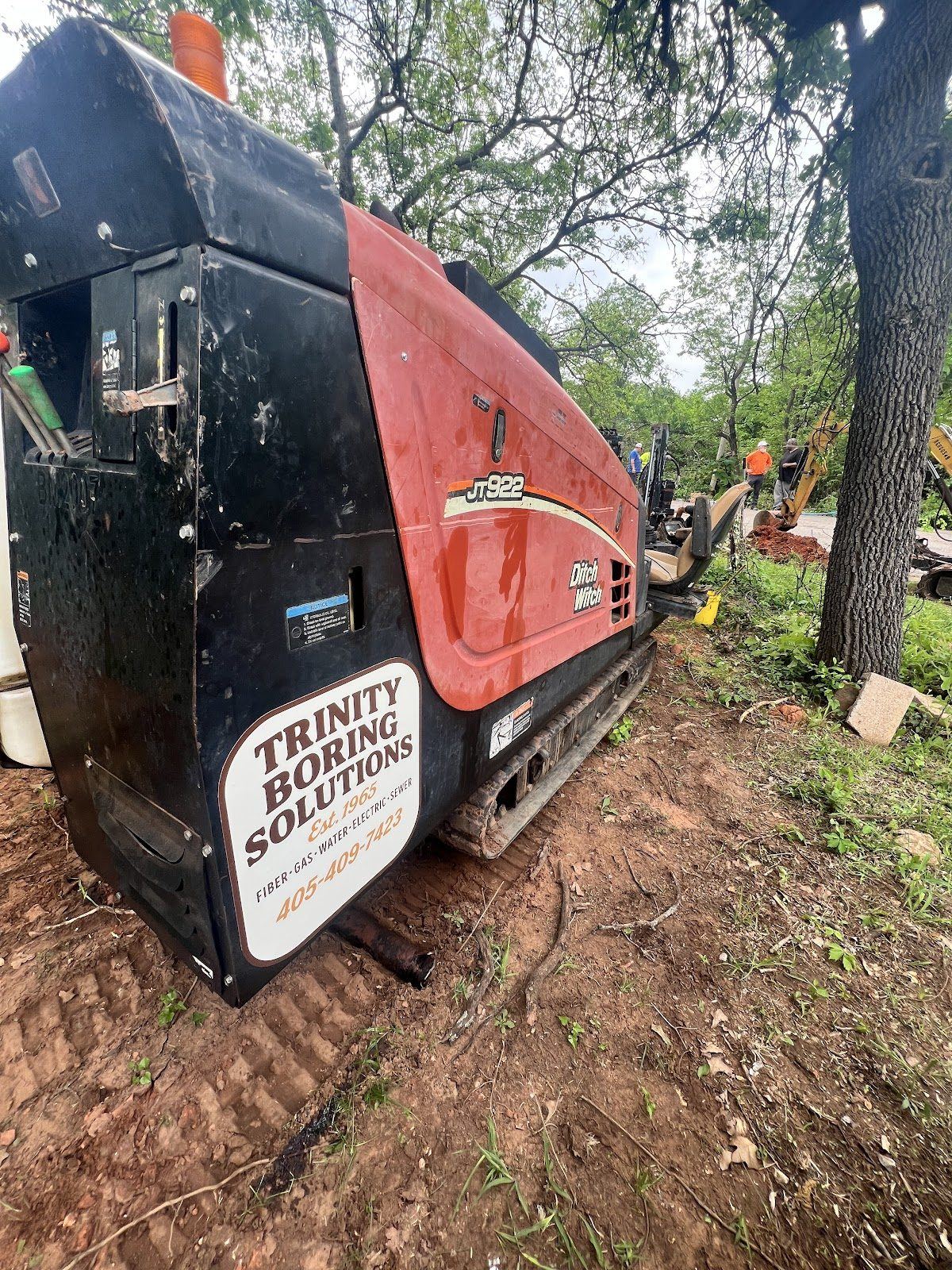
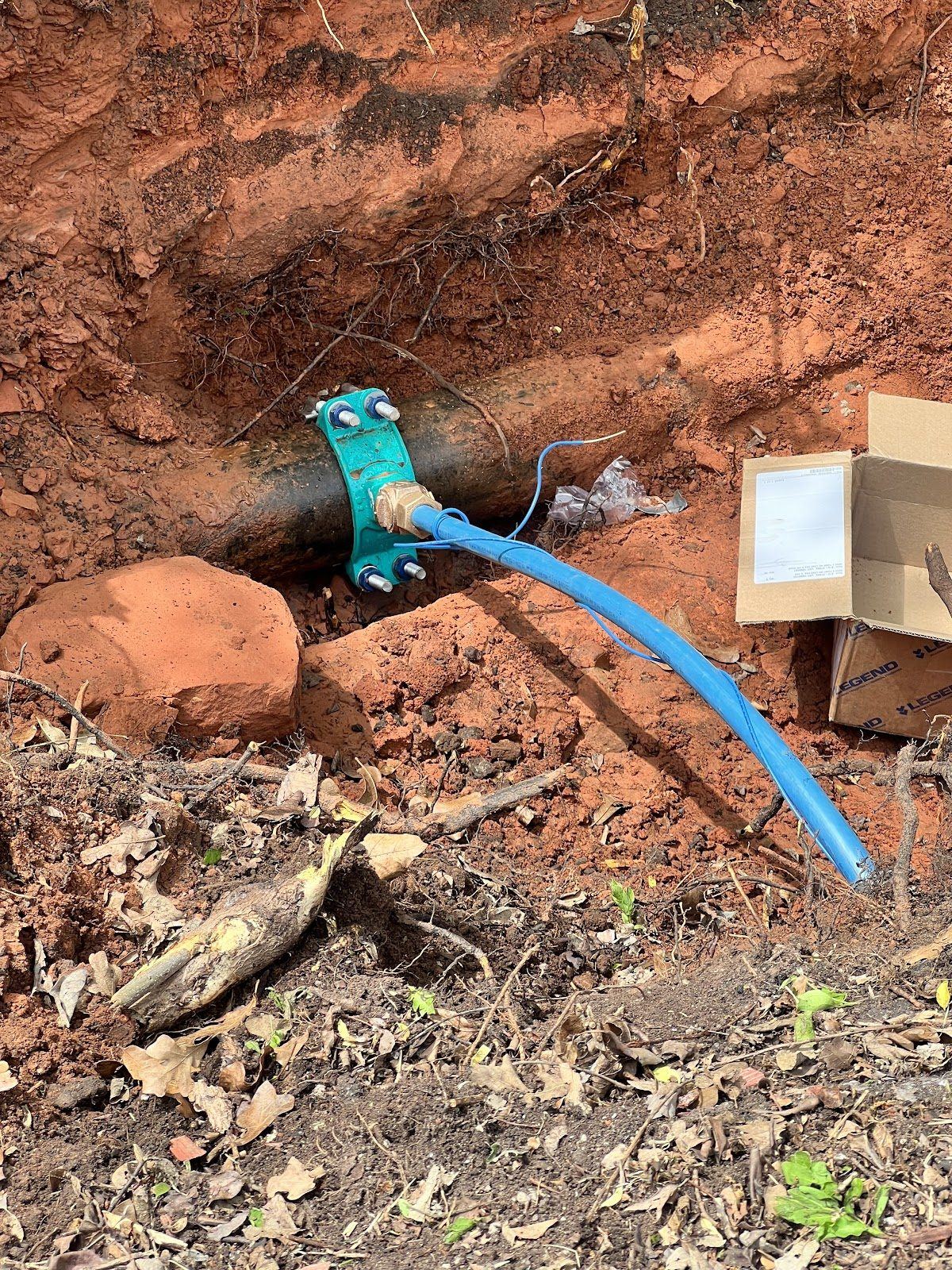
Utility potholing is particularly important before directional drilling operations. Our directional drilling contractor crews recommend potholing across the bore path to confirm utility depths before drilling begins. We also use potholing to support water line installation in areas where existing water infrastructure creates crossing or parallel installation challenges. Our full hydrovac daylighting services page covers the complete range of vacuum excavation applications.
Oklahoma 811 and Utility Safety Standards
Oklahoma law requires all excavators to contact Oklahoma 811 at least two business days before digging. However, 811 locates are only the first step in safe excavation. The ASCE Standard CI/ASCE 38-02 for Subsurface Utility Engineering defines quality levels for utility information, with Quality Level A (QL-A) representing actual physical exposure of the utility as the highest quality of utility information. Vacuum excavation potholing achieves QL-A utility information. For projects where utility depth uncertainty creates significant risk, potholing provides the QL-A data that 811 locates alone cannot achieve. Visit ok811.com for more information on Oklahoma’s locate law requirements. The National Utility Contractors Association (NUCA) also provides guidance on safe excavation practices including potholing as a best practice for utility-congested work zones.
Oklahoma Potholing Service Area
We provide utility potholing services throughout Oklahoma: Oklahoma City, Tulsa, Edmond, Norman, Broken Arrow, Lawton, Moore, Midwest City, Enid, Stillwater, Muskogee, Owasso, Bartlesville, Shawnee, Yukon, Bixby, Jenks, Sapulpa, Ardmore, Ponca City, Claremore, Bethany, Duncan, Altus, McAlester, El Reno, Ada, Chickasha, Sand Springs, Guthrie, Mustang, Choctaw, Durant, Tahlequah, Weatherford, Pryor, Wagoner, Woodward, Elk City, Clinton, and all other Oklahoma communities.
Frequently Asked Questions: Utility Potholing in Oklahoma
What is the difference between potholing and daylighting?
Potholing and daylighting are used interchangeably in the industry to describe the same process: vacuum excavation to expose a buried utility. Some contractors use potholing specifically to describe smaller, localized excavations to confirm a single utility, while daylighting may suggest a slightly larger excavation to expose multiple utilities in a corridor. Trinity Boring Solutions uses both terms to describe our vacuum excavation service for utility exposure. The method and equipment are the same regardless of which term is used.
How accurate are 811 locates and why do I still need potholing?
Oklahoma 811 locates mark the approximate horizontal position of buried utilities based on the utility company’s records and electromagnetic locating equipment readings at the surface. Accuracy is typically within 24 inches horizontally, and depth is not provided at all. In practice, utility positions can deviate more than 24 inches from marks due to locating errors, poor records on older utilities, or utilities that have shifted due to soil movement over time. Potholing provides actual physical confirmation of depth and exact position that 811 marks alone cannot provide.
How many potholes do I need for a typical excavation project?
The number of potholes depends on the utility density in the work area, the length of the excavation, and how much position variability you expect from the 811 marks. For a simple trench crossing a few marked utilities, one to two potholes per utility crossing point may be sufficient. For a major excavation in a downtown area with dense utility infrastructure, potholing every 20 to 40 feet along the entire trench alignment may be warranted. We advise on pothole spacing based on the specific work area and risk level.
How long does it take to complete a pothole?
In typical Oklahoma soils, a standard utility pothole to expose a utility at 3 to 5 feet depth takes 15 to 45 minutes per location depending on soil conditions, depth, and site access. Harder soils or greater depths increase time. With our equipment setup and travel between locations, a typical half-day potholing session can complete 6 to 12 potholes depending on site conditions and travel distance between locations.
What soil types does hydrovac equipment work in?
Hydrovac equipment works in all Oklahoma soil types including clay, sandy loam, sandy soil, and mixed soils. Clay soils require higher water pressure and more time per cubic foot removed than sandy soils. Gravelly soils excavate quickly. Hard pan or caliche layers can slow excavation. Frozen ground is sometimes encountered in northern Oklahoma winter months, and specialized equipment or thawing may be required. We select appropriate water pressure and nozzle configurations for the soil conditions at your site.
Can you pothole in a paved area without damaging the pavement?
Yes. We use a small-diameter cut in the pavement surface created by a core drill or saw cut to access the subgrade for vacuum excavation. This preserves the pavement structure around the pothole. After potholing is complete, the pothole opening in the pavement is patched with cold mix asphalt or concrete depending on the pavement type. Pavement patch quality meets temporary patching standards and can be upgraded to permanent patch on your request.
What do you do with the excavated soil from potholing?
Excavated soil is collected in the hydrovac truck’s debris tank as a slurry mixture of soil and water. This material can be returned to the pothole for backfill after utility documentation is complete, or it can be transported to a designated disposal or processing facility if you prefer a granular backfill material. We discuss spoil disposal with you during project planning. Granular backfill provides better long-term compaction performance than returned slurry in most cases.
Is potholing required by law in Oklahoma?
Oklahoma law requires reasonable care to protect underground utilities during excavation, and potholing within tolerance zones of located utilities is widely recognized as a best practice for meeting that standard. OSHA requires protection of underground utilities during excavation under 29 CFR 1926. While potholing specifically may not be mandated by statute in every situation, it is the accepted industry practice for working safely near known utilities. Failing to pothole in a congested utility area and striking a utility will likely result in regulatory scrutiny of your excavation safety practices.
Can you combine potholing with same-day trenching?
Yes. For efficient project execution, we can pothole in the morning to confirm utility positions and then proceed with machine excavation the same afternoon after the crew reviews the pothole data. This integrated same-day approach maximizes the value of the potholing investment by applying the data immediately. We schedule combined potholing and trenching days regularly for customers who want to move quickly once utility positions are confirmed.
Do you provide potholing services for utility companies during line maintenance?
Yes. Utility companies use potholing for pre-maintenance utility conflict investigation, depth verification before planned excavation, and exposing their own infrastructure for inspection and repair work. We have worked with Oklahoma gas utilities, electric utilities, and water utilities for potholing support on their maintenance programs. We understand utility company operating requirements and safety protocols for working within distribution system right-of-way.
Protect Your Project with Utility Potholing
Call Trinity Boring Solutions before you dig. Our utility potholing service provides the accurate underground information your crew needs to work safely anywhere in Oklahoma.
Trinity Boring Solutions
9102 NW Expressway, Yukon OK 73099
(405) 409-7423 | darren@trinityboringsolutions.com
Utility Potholing Oklahoma — Project Photos

Related Boring & Utility Services
- Utility Installation Methods Oklahoma
- Utility Potholing
- Why Trenchless Is Safer
- 811 Utility Locating Oklahoma
- Airport Utility Boring Oklahoma
- Airport Utility Contractor Oklahoma
- Bore Path Planning
- Boring for Electricians Oklahoma
Where We Work in Oklahoma
New to trenchless construction? Start with our guide: What Is Horizontal Directional Drilling (HDD)?
Talk to the crew that does the work
Fastest way to a number is a phone call. Tell us where the crossing is and what is going in the ground, and you will get a straight answer on the same call. Bores from 10 feet to 5,000 feet, 3/4 inch service line through 48 inch casing, anywhere in Oklahoma and north Texas. We run 24/7 for main breaks and emergency repairs.
Answered by a person, not a call center.
Would rather not call? Send the details and we will come back with a written quote.